

French Stories
French Short Stories for Beginners: Reading Practice for A1-A2 Learners
If you are searching for french short stories for beginners, the real decision is usually simpler than it sounds: do you need an A1 confidence builder, an A2 reading stretch, or a routine you can actually repeat next week? This guide shows how to choose the right level, how to study short stories without stalling out, and when to move into a structured beginner book.

Key takeaways
- Choose stories by comprehension and finishability, not by page count alone.
- A1 learners usually need shorter scenes and more repeated vocabulary; A2 learners can handle a little more ambiguity.
- Use one repeatable reading loop before buying more resources.
- Connect this page to a clear next step: another French guide, a beginner reading routine, or the Touri book that fits your level.
Who this guide is for
This guide is for adult self-study learners and older teen learners who want french short stories for beginners to become a practical reading habit, not just a search term. It is especially useful if you keep starting French resources but are not sure what level you should buy or reread first.
The best page on this topic should help you make one learner decision: start with A1, stretch into A2, or stay with easier material until rereading feels smoother. That is more useful than a generic list of titles with no explanation of how to use them.
What this search usually means
Most people searching for french short stories for beginners are not hunting for literature. They want readable practice that grows vocabulary, improves confidence, and gives them enough context to remember phrases better than isolated flashcards do.
The common mistake is buying material that is too dense, too long, or too ambitious. A useful page narrows the choice fast: what level to start with, what a good study session looks like, and what signs tell you that the resource is helping instead of frustrating you.
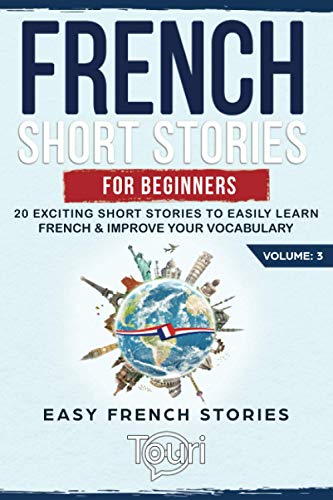
French Short Stories for Beginners
If you want a ready-made beginner reading resource, use French Short Stories for Beginners after you pick the right level and routine below.
Start with the right level
The first useful question is not which story is best. It is whether you can read a short section and still follow the basic scene without translating every line. If not, the level is too high for your current goal.
| Level | What it feels like | Best use |
|---|---|---|
| A1 | You need simple sentence patterns, obvious context, and frequent repetition. | Build confidence and finish short passages consistently. |
| A1-A2 | You can follow familiar topics but still need support with new vocabulary. | Grow reading stamina without losing the main idea. |
| A2 | You can infer some meaning from context and summarize a short scene after reading. | Stretch vocabulary and move toward smoother rereads. |
What a good beginner story resource should include
A strong beginner resource should make reading feel structured, not random. You want short chapters or scenes, repeated everyday vocabulary, enough context to infer meaning, and a format that invites rereading instead of one-and-done skimming.
It also helps when the stories leave room for output. After reading, you should be able to answer simple comprehension questions, collect a few reusable phrases, or retell the scene in plain language. That is how reading turns into memory instead of just exposure.
A 20-minute study loop
Use this when you want French reading practice to stay practical. The rhythm matters more than intensity because predictable repetition is what turns a short story into usable language.
- Preview 5-8 words. Pull the terms that matter most for the scene.
- Read once for the main idea. Do not stop for every unknown word.
- Read again and underline useful phrases. Focus on lines you might actually reuse.
- Say three lines aloud. Reading and speaking together helps retention.
- Close with a one-sentence summary. If you can summarize the scene, the story is doing its job.
How to tell if the level is right
| Signal | What it means | Action |
|---|---|---|
| You follow the scene | You miss details but still understand what is happening. | Stay here and reread for fluency. |
| It feels too easy | You finish quickly but cannot name anything new you learned. | Choose slightly richer vocabulary or longer scenes. |
| It feels too hard | You translate every line and still lose the plot. | Drop down a level and rebuild confidence. |
| The reread is smoother | You process more without stopping the second time. | This is a real beginner win. Keep going. |
Three useful phrase patterns to collect from each story
When you finish a passage, do not stop at understanding the plot. Save a few patterns you can reuse in later reading and speaking practice.
- Time markers: phrases like ce matin, plus tard, or d'habitude help you follow sequence.
- Opinion markers: phrases such as je pense que or je crois que make summaries easier.
- Action chunks: lines built around daily verbs are more useful than random nouns because you can say them again later.
When to choose a book instead of scattered passages
If you already know you learn better from structure, a book is usually the better move. A curated beginner story book reduces friction because the level, tone, and pacing stay more consistent than random online excerpts. That matters when your real goal is building a weekly practice habit.
That is where a Touri-style beginner French stories book can help: you get continuity, repeated vocabulary, and a built-in reason to keep going instead of restarting with a different resource every few days.
Common mistakes to avoid
- Buying advanced stories because the topic sounds more interesting.
- Reading once and never revisiting the same passage.
- Collecting vocabulary lists without saving reusable sentence patterns.
- Switching between too many French resources before the habit becomes stable.
Signs your French reading routine is working
Look for practical signals, not dramatic milestones. You recognize repeated connectors faster, reread with less friction, and can summarize a familiar story more clearly than you could a week earlier.
You may also notice that your speaking improves a little because stories give you ready-made chunks. Even one simple line you can retell aloud is a better sign than finishing a harder text you barely understood.
Where to go next in the French cluster
If you need a starter routine, move next to French Short Stories for Beginners, Edition 1: Who It Is For and How to Use It. If you are already comfortable with easier passages, step up to Intermediate French Short Stories: How to Grow Vocabulary Through Reading.
If your main question is whether dialogues or stories fit you better, start with the live Conversational French Dialogues guide. You can also use the French books hub to compare Touri's current French reading and conversation options.
Practice prompts for this week
- Can I finish today's story without translating every sentence?
- Which three phrases from this reading are worth saying aloud tomorrow?
- Would an easier story help me build momentum faster this week?
- Do I need a structured book, or just a more consistent routine?
FAQ
What is the best way to practice french short stories for beginners?
Read short passages you can finish, reread them for smoother comprehension, and save a few phrases to say aloud. Consistency matters more than intensity at the beginning.
How do I know if a French story is too hard for my level?
If you have to translate nearly every line and still cannot explain the scene, the level is probably too high. Beginners usually improve faster with easier stories they can reread successfully.
Should I start with A1 or A2 French stories?
Start with A1 if you still need very simple sentence patterns and heavy repetition. Move toward A1-A2 or A2 once you can follow familiar scenes without losing the main idea.