

Spanish Reading Practice
Spanish Reading Practice for Beginners: A 20-Minute Routine
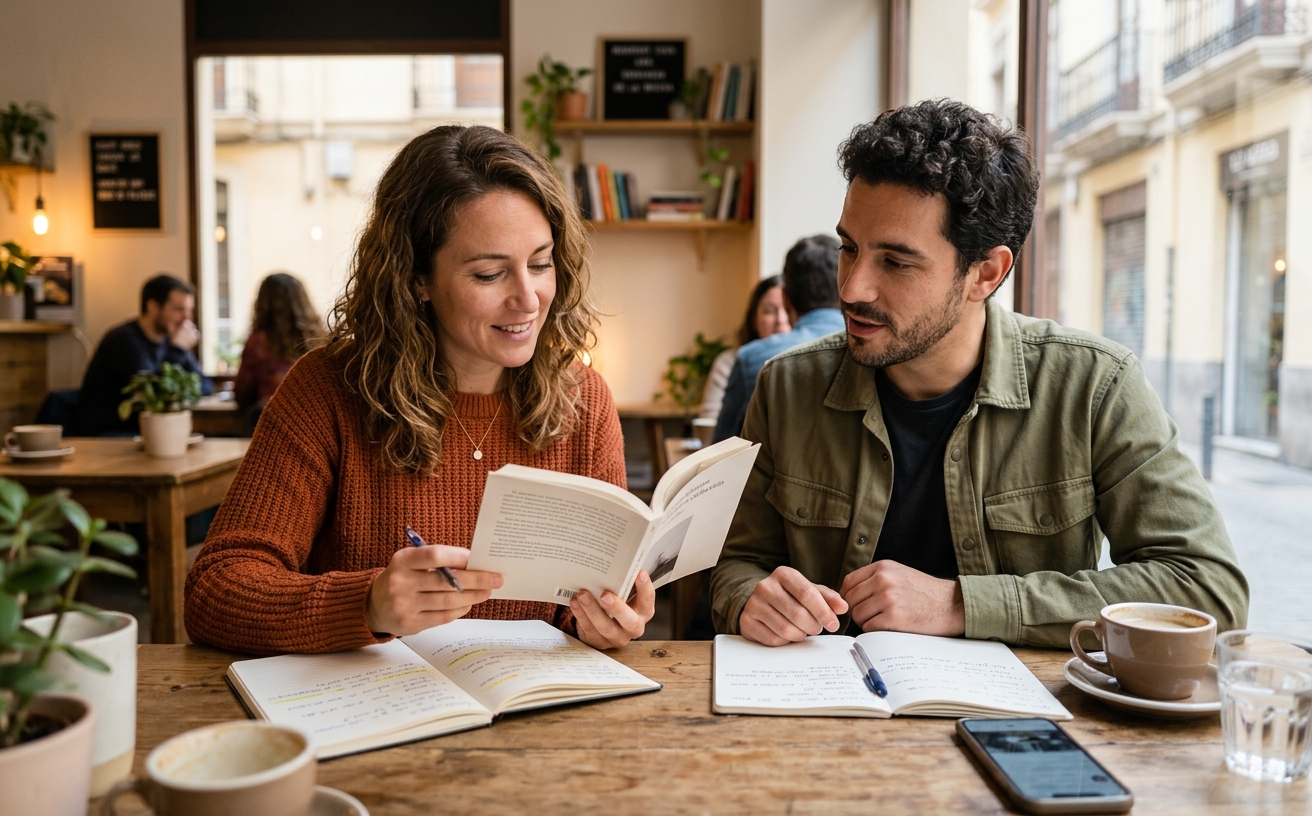
If you need spanish reading practice for beginners, the useful decision is simple: choose material easy enough to reread, then use one repeatable routine until the passage feels clearer. This guide gives you a practical 20-minute reading loop, shows what Spanish phrases to save, and helps you decide when to move from short passages into beginner Spanish stories.
Key takeaways
- Beginner reading practice works better when the session is short enough to repeat consistently.
- Rereading is not a fallback. It is one of the fastest ways to build confidence and recall.
- Save phrases and sentence chunks, not just isolated vocabulary.
- Use a Spanish reading resource that matches this cluster, then move into beginner stories when rereading feels smooth.
Who this guide is for
This guide is for learners who want spanish reading practice for beginners to feel doable on busy days. If long study plans keep collapsing after two or three sessions, a repeatable 20-minute routine is usually a better place to start.
A practical reading page should help you decide what to read, how long to stay with it, and what to do after the first pass. That is the gap this article is meant to close.
What this search usually means
People searching for spanish reading practice for beginners are often looking for something between random online paragraphs and a full textbook lesson. They want enough structure to improve, but not so much complexity that reading turns into a chore.
The useful answer is not to assign more pages. It is to give the learner a stable loop that improves comprehension, vocabulary recall, and confidence at the same time.
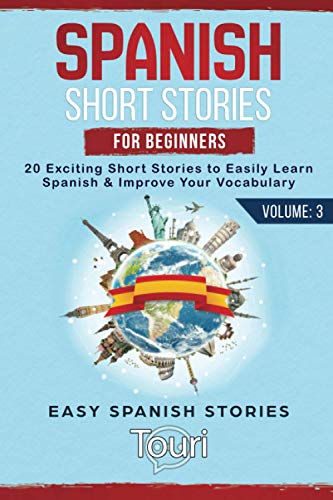
Spanish Short Stories for Beginners
If you want a simple next step after this routine, use Spanish Short Stories for Beginners for guided reading practice you can repeat.
The 20-minute beginner reading loop
| Minute | What to do | Why it matters |
|---|---|---|
| 0-3 | Preview a few key words from the passage. | You reduce friction before reading. |
| 3-8 | Read once for the main idea. | Comprehension comes before perfection. |
| 8-13 | Reread and mark 3-5 useful phrases. | Phrases are easier to reuse than single words. |
| 13-17 | Say one short section aloud. | Reading and speaking reinforce each other. |
| 17-20 | Write a one-sentence summary and a short review list. | You lock in the passage for tomorrow. |
What to read first
Start with short scenes, graded stories, or beginner-friendly passages that let you follow the scene without translating every line. If you keep losing the plot, the material is probably too hard for your current goal.
Beginner reading should feel slightly challenging, not crushing. A passage you can reread successfully is more useful than a harder text you only survive once.
Choose the right beginner passage
Use this decision before you start. If you can understand the setting, the main action, and who is speaking after one slow read, the passage is probably usable. If you only understand scattered words, save it for later and choose something easier.
| What you notice | Best next step | Why |
|---|---|---|
| You understand the scene but miss a few words. | Keep the passage and reread it tomorrow. | This is the sweet spot for beginner reading practice. |
| You translate almost every sentence. | Choose an easier passage or a shorter story. | Too much translation blocks reading flow. |
| You can retell the scene after two reads. | Move to the next scene or chapter. | You are ready for slightly more input. |
| You know the words but cannot say any line aloud. | Repeat 2-3 useful sentences out loud. | Reading practice should support recall, not only recognition. |
What to save from each passage
- One connector: a word or phrase that helps you follow sequence or contrast.
- One action line: a sentence chunk you might say or write again.
- One summary idea: a simple way to explain what happened in the passage.
This keeps the session from turning into a giant vocabulary dump. Your goal is to keep what is reusable, not everything you saw.
Examples of phrases worth saving
Do not save every new word. Save short chunks that help you understand a story and can also become speaking or writing practice later.
| Phrase type | Spanish example | How to use it |
|---|---|---|
| Sequence | despues de eso | Use it to retell what happened next. |
| Location | cerca de la estacion | Use it to describe where a scene happens. |
| Feeling | estaba cansado | Use it to describe a character or yourself. |
| Need | necesito ayuda | Use it as a practical sentence you can say aloud. |
| Opinion | creo que… | Use it to make a simple summary or reaction. |
Why rereading matters so much for beginners
The second pass often teaches more than the first. On the first read, you are trying to stay oriented. On the reread, you start noticing patterns, collocations, and sentence flow. That is where confidence starts to build.
Rereading also gives you a visible sign of progress. If the same story feels easier tomorrow, the routine is working, even if your vocabulary still feels small.
A seven-day beginner reading plan
If you are starting from scratch, repeat the same basic loop for a week instead of changing systems every day.
- Day 1: Pick one short passage and read for the main idea.
- Day 2: Reread the same passage and save 3-5 phrases.
- Day 3: Say one paragraph aloud and write a one-sentence summary.
- Day 4: Read a second short passage with the same routine.
- Day 5: Compare both passages and notice repeated words or connectors.
- Day 6: Reread the easier passage for speed and confidence.
- Day 7: Decide whether to continue with short passages or move into beginner Spanish stories.
Common mistakes to avoid
- Choosing passages that are too advanced because they seem more interesting.
- Reading once and never reviewing the same material again.
- Saving too many isolated words and too few useful phrases.
- Skipping aloud practice entirely.
Where to go next in the Spanish reading cluster
If you need help choosing the right material, go next to Best Spanish Short Stories for Beginners: How to Choose the Right Level. If you want to understand why stories work so well, read Learn Spanish Through Stories: Why Reading Beats Memorizing Lists.
If translations keep becoming a crutch, compare the tradeoffs in Spanish Short Stories with English Translation: Pros, Cons, and Better Study Methods.
FAQ
How long should beginner Spanish reading practice last?
About 15 to 20 minutes is enough if the session includes rereading, phrase review, and a little aloud practice. Short daily contact usually works better than one long session every few days.
Should I read new passages every day?
Not always. Beginners often improve faster by rereading a familiar passage before moving on. The reread is where comprehension starts to feel more automatic.
What kind of resource is best for beginner Spanish reading?
Choose short stories or graded reading that match your level and make rereading realistic. Material that is too hard usually turns reading practice into constant translation.