

Spanish Reading Practice
A1 vs A2 Spanish Stories: Which Level Should You Start With?
Start with A1 Spanish stories if you still need slow, predictable sentences and clear support. Move to A2 Spanish stories when you can follow a short scene, guess meaning from context, and only need help with selected phrases.

Key takeaways
- A1 is for building confidence with short scenes, familiar verbs, and repeated sentence patterns.
- A2 is for longer scenes, more natural connectors, and vocabulary you can infer from context.
- The best level is the one you can reread and use aloud, not the one that looks most impressive.
- If you are stuck between levels, use one easier story for fluency and one harder story for vocabulary growth.
Spanish Short Stories for Beginners
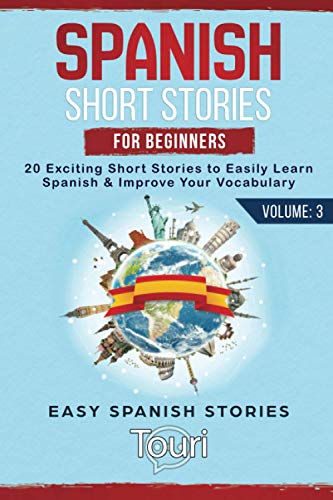
If you want a beginner-friendly next step, use Spanish Short Stories for Beginners as your A1/A2 reading practice resource.
Who this guide is for
This guide is for self-study learners who want to read Spanish stories but are unsure whether to begin with A1 or A2 material. The decision matters because stories work best when they are challenging enough to teach you something but not so hard that you spend the whole session decoding.
Use this page before choosing a beginner Spanish short story book, building a weekly reading routine, or deciding whether you are ready to move toward intermediate Spanish stories. The goal is not to label your whole Spanish ability. The goal is to choose the next story you can finish, reread, and learn from.
The simple A1 vs A2 decision
| If this sounds like you | Start here | Why |
|---|---|---|
| You recognize greetings, simple present-tense verbs, family words, foods, places, and basic questions, but full paragraphs still feel heavy. | A1 Spanish stories | You need short scenes with predictable language and plenty of repetition. |
| You can follow a short paragraph, understand the main action, and use context before checking a translation or dictionary. | A2 Spanish stories | You are ready for slightly longer scenes, more connectors, and a wider vocabulary set. |
| You can understand beginner stories quickly but cannot discuss or retell them yet. | A1 for speaking review, A2 for reading growth | Easier texts help fluency; harder texts help you expand. |
| You are frustrated, skipping lines, or translating every sentence word by word. | Step down to A1 | Reading should create repeated wins, not constant rescue work. |
What A1 Spanish stories should feel like
An A1 story should feel controlled. You may not know every word, but you should be able to identify who is speaking, where the scene is happening, and what the basic problem is. The sentences are usually short, the setting is familiar, and the story repeats useful structures so you see them more than once.
Good A1 practice is not childish by default. It is narrow by design. A story about ordering food, finding a hotel, visiting a friend, or asking for directions can be useful because the vocabulary repeats in real patterns. You are training recognition first, then recall.
What A2 Spanish stories should feel like
An A2 story should stretch you without stopping you. You may see past-tense forms, more descriptive phrases, extra dialogue, and scenes that require a little inference. The important difference is that you can still read for meaning before you investigate every detail.
If A1 asks, “Can I understand this sentence?”, A2 asks, “Can I follow this scene?” That is a different skill. You are not only collecting words. You are learning to keep a Spanish paragraph moving in your head long enough to understand what happened.
Evidence used for this refresh
This page was refreshed because Touri already has Google Search Console impressions around Spanish short-story products and beginner story queries, including “spanish short stories for beginners,” “short stories in spanish for beginners,” and intermediate Spanish story terms. The current dry-run Keyword Planner seed list also keeps “spanish short stories for beginners,” “learn spanish through stories,” “spanish reading practice for beginners,” and “a1 spanish stories” as Touri priorities.
The practical content decision is therefore narrow: help the learner choose the right story level, then point them to the Spanish reading routine, bilingual-story tradeoffs, and beginner short-story book path.
A 20-minute level test
Use this test before buying another book or switching resources again. Pick one short Spanish story sample or one short chapter and read it in a timed, repeatable way.
- Read for three minutes without stopping. Mark only the lines where you lose the main idea.
- Write one English summary sentence. If you cannot summarize who did what, the level is probably too high.
- Choose five useful Spanish phrases. These should be phrases you can imagine reusing, not random rare words.
- Reread the same section aloud. If the second read feels noticeably smoother, the level is workable.
- Retell the scene simply. Use imperfect Spanish if needed: “La persona va a…” or “Ella quiere…” is enough for practice.
When to stay with A1 longer
Stay with A1 if you are still building a base of everyday verbs, question words, common nouns, and simple sentence order. You are not behind. You are building the part of reading that makes later material easier.
A1 is also useful when your real goal is speaking confidence. If you can read an easy line and then say a similar line about your own life, that easy story is doing important work. Do not leave A1 just because the label feels basic.
When to move into A2
Move into A2 when you can finish an A1 story and understand the main idea without checking every word. You should also be able to answer simple questions about the story: Who is involved? What happened first? What changed? What phrase would you use again?
A2 is the right next step when the problem is not comprehension itself but speed, vocabulary range, and confidence with longer scenes. You will still miss words. That is normal. The test is whether the missing words block the whole story.
Beginner vs intermediate Spanish stories
Beginner Spanish stories should make the reading habit easier to repeat. Intermediate Spanish stories should make your Spanish more flexible. If you are still thinking about A1 vs A2, start with beginner material and build a clean routine first.
When beginner stories start feeling too predictable, use Intermediate Spanish Short Stories: When Beginners Are Ready for B1 Reading as your next level check. That is the better move-up point than forcing yourself into a book that makes each page feel like a grammar exam.
How to study one story at either level
| Day | What to do | What to save |
|---|---|---|
| Day 1 | Read for the main idea, then reread one short section aloud. | Five reusable phrases and one summary sentence. |
| Day 2 | Review yesterday’s phrases, read again, then answer simple comprehension questions. | One line you can say without looking. |
| Day 3 | Retell the scene in simple Spanish and change one detail about yourself. | One personalized sentence. |
| Day 4 | Move to the next story only if the previous one feels smoother. | A short list of words worth reviewing later. |
Common mistakes when choosing a level
- Choosing by pride. A harder label does not help if you stop reading after two pages.
- Using translation as the first step. Try the Spanish first, then use English support to confirm meaning.
- Saving too many words. Five useful phrases beat thirty words you will never review.
- Skipping rereads. The second and third pass are where the story becomes usable language.
- Changing resources too quickly. Give one book or routine enough time to show whether it works.
Where to go next
If you know you need beginner material, continue with Best Spanish Short Stories for Beginners: How to Choose the Right Level. If your bigger question is why stories help at all, read Learn Spanish Through Stories: Why Reading Beats Memorizing Lists.
If you need a daily routine, use Spanish Reading Practice for Beginners: A 20-Minute Routine. If bilingual support is tempting, compare the tradeoffs in Spanish Short Stories with English Translation: Pros, Cons, and Better Study Methods.
FAQ
Should I start with A1 or A2 Spanish stories?
Start with A1 if you still need short, predictable sentences and frequent repetition. Start with A2 if you can follow a short scene, understand the main idea, and only need help with selected words.
How do I know a Spanish story is too hard?
It is probably too hard if you cannot summarize the scene after one slow read, if you translate nearly every sentence, or if the second read does not feel any smoother.
Can A1 stories still help if I already know some Spanish?
Yes. Easier stories are useful for fluency, pronunciation, and recall. You can use A1 stories for speaking practice while using A2 stories for vocabulary growth.